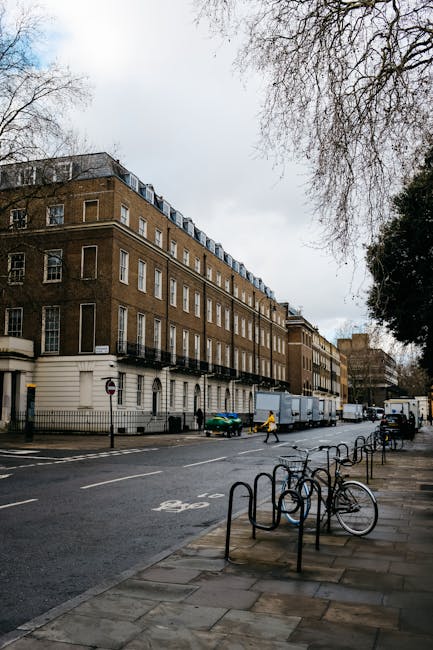
Belgravia house removals Chelsea Barracks specialists
Moving in Belgravia is rarely a simple lift-and-load job. Between tight streets, controlled access, high-value interiors, concierge requirements, and the practical realities of moving around Chelsea Barracks, the right team makes a real difference. That is exactly why people search for Belgravia house removals Chelsea Barracks specialists: they want a removals service that understands the area, the buildings, the timing constraints, and the need to protect both property and peace of mind.
In this guide, we will look at how specialist removals work in this part of London, what to expect on moving day, which mistakes cost people time and money, and how to judge whether a removal company is genuinely equipped for a Belgravia move. If you are planning a house move near Chelsea Barracks, or even just trying to understand what makes these jobs different, you are in the right place. Truth be told, the details matter more here than most people expect.
One thing you will notice quickly: the best moves are usually the quietest ones. No chaos. No guesswork. Just good planning, careful handling, and a team that knows how to work around real-life London conditions without making a fuss.
Table of Contents
- Why Belgravia house removals Chelsea Barracks specialists Matters
- How Belgravia house removals Chelsea Barracks specialists Works
- Key Benefits and Practical Advantages
- Who This Is For and When It Makes Sense
- Step-by-Step Guidance
- Expert Tips for Better Results
- Common Mistakes to Avoid
- Tools, Resources and Recommendations
- Law, Compliance, Standards, or Best Practice
- Options, Methods, or Comparison Table
- Case Study or Real-World Example
- Practical Checklist
- Conclusion
- Frequently Asked Questions
Why Belgravia house removals Chelsea Barracks specialists Matters
Belgravia is not a typical moving environment. Properties are often large, access can be narrow or controlled, and even a well-planned move can be derailed by a loading restriction, lift booking issue, or a missing parking arrangement. Add Chelsea Barracks into the picture, with its modern residential standards and careful estate management, and you get a move that needs more than a van and a few strong backs.
Specialist movers matter because they reduce friction before it starts. They think about vehicle size, timing windows, building access, protection for floors and doorframes, and how to move items without disturbing neighbours or breaching building rules. That sounds straightforward, but in practice it is often the difference between a smooth handover and a day full of avoidable stress.
There is also a trust factor. High-value homes often contain artwork, designer furniture, antiques, instruments, or custom pieces that do not respond well to careless handling. A specialist team understands that a moving day is not just about transport. It is about safeguarding the contents of a home, and doing it in a way that feels controlled, calm, and professional.
For readers comparing services, it helps to look beyond the label "removals" and ask whether the company has the right mix of packing skill, local awareness, insurance confidence, and practical planning. If those parts are missing, the move can become noisy very quickly. And nobody wants that on a street where the pavements are already busy enough.
Expert summary: In Belgravia and around Chelsea Barracks, specialist removals are not a luxury add-on. They are a practical response to access, timing, property protection, and the expectations of a premium residential move.
How Belgravia house removals Chelsea Barracks specialists Works
A proper specialist move usually starts long before moving day. First comes the survey or initial assessment. This may be done in person or remotely, depending on the size of the property and the complexity of the job. The aim is simple: work out what is being moved, what needs special handling, what access is available, and how long the job is likely to take.
From there, the company builds a plan. In a Belgravia setting, that plan may include timed arrival, lift protection, floor coverings, packing materials, dismantling and reassembly of furniture, and a sequence for loading items in the safest possible order. You might not see all of that happening, which is the point. Good removals look almost boring from the outside. That is a compliment.
For Chelsea Barracks properties, the logistics can be especially important. Estate rules, concierge coordination, and designated access points may shape how the team arrives and where they can stage equipment. Experienced movers are used to this style of work. They do not turn up assuming they can just "figure it out" on the pavement. They come prepared, with the right van, the right packing protection, and a plan for how to keep the process moving.
If you need extra support, services such as packing and unpacking services or a full home moves package can simplify things further. For smaller or more flexible loads, some people compare a more compact option like man with van support, though that is usually only suitable when the move is light and the access is uncomplicated.
The practical sequence often looks like this:
- Initial enquiry and move discussion.
- Survey or inventory review.
- Quotation and scope confirmation.
- Packing or pre-move preparation.
- Building access and parking planning.
- Moving day loading, transport, and delivery.
- Placement of furniture and reassembly where agreed.
- Final checks, handover, and any follow-up support.
That last step is easy to overlook. Yet a good mover will make sure the essentials are in place before leaving you surrounded by unopened boxes and wondering where the kettle went.
Key Benefits and Practical Advantages
The main benefit of hiring Belgravia house removals Chelsea Barracks specialists is reliability. Not flashy reliability. Quiet, consistent, no-surprises reliability. The kind that helps you protect both your schedule and your belongings.
Here are the advantages people tend to value most:
- Better access planning: specialist teams anticipate the real-world constraints of Belgravia streets and residential developments.
- More careful handling: valuable, fragile, or awkward items are packed and moved with greater control.
- Lower risk of damage: floor protection, furniture wrapping, and correct lifting methods reduce avoidable wear and tear.
- Smoother coordination: timing, parking, and building access are arranged in a more structured way.
- Less personal stress: you are not having to manage every small problem on the fly.
- Better fit for premium homes: the service level aligns better with the expectations of high-spec properties.
There is a subtle but important point here: specialist removals are not only for luxury items or very large houses. They are also useful whenever the consequences of a mistake are expensive. A scratched staircase, damaged wardrobe, or missed access slot can be far more disruptive than people expect.
Another practical advantage is time efficiency. Once the team understands the property, they can often move faster than a generalist crew because they are not wasting time solving predictable problems on site. That does not mean rushing. It means moving with purpose. There is a difference, and you will notice it.
If your move includes furniture that needs disposing of or transferring separately, services such as furniture removals or furniture pick up can help with those awkward one-off pieces that do not fit neatly into the rest of the plan.
Who This Is For and When It Makes Sense
Not every move in London needs a highly specialised removals team. But in Belgravia, and especially near Chelsea Barracks, specialist support makes sense more often than not. It is especially useful if any of the following apply:
- You live in a townhouse, mansion flat, or high-value apartment with access constraints.
- Your building has concierge procedures, timed lifts, or loading restrictions.
- You are moving antiques, artwork, mirrors, glass furniture, or piano-sized items.
- You need packing help because time is tight or the inventory is large.
- You are coordinating a same-day handover or a move with a strict schedule.
- You want a more discreet, managed process with less disruption for neighbours.
It also makes sense if you are a landlord, estate agent, or property manager dealing with a premium property. In those cases, the move is not only about the contents. It is also about preserving the condition of the building, keeping the handover smooth, and avoiding awkward complaints afterwards. Nobody enjoys a late-night call about damaged common areas. Nobody.
If you are comparing removal types, a standard house removalists service may be enough for a simpler move, while a broader removal services approach is better when the job includes packing, storage, and specialist item handling. For larger household or estate moves, a dedicated house removals service is usually the more sensible fit.
Step-by-Step Guidance
If you want a calm move, the trick is to break the whole thing into manageable stages. Simple enough in theory. A bit more demanding in real life. Still, it works.
1. Start with a realistic inventory
List the main furniture, fragile items, storage areas, and anything awkwardly shaped. Include basement storage, loft items, and outdoor pieces if relevant. The more accurate this is, the better the quote and the smoother the move. If you hide three bikes, a mirror, and half a study until the day before, you are making life harder for everyone, including yourself.
2. Check access before you confirm anything
Measure stairs, lifts, hallways, and the property entrance if needed. If there are estate restrictions or parking limits, sort them early. A van that cannot park close enough can change the whole rhythm of the day. Experienced movers will ask about this, but it helps when you already know the answer.
3. Decide what needs packing support
Some people are happy boxing up books and clothes but want professionals to handle china, stemware, artwork, or electronics. That split approach is common, and perfectly sensible. If you need materials too, look at packing and boxes early enough to avoid the last-minute scramble for tape that somehow always happens the night before.
4. Confirm insurance and handling expectations
Ask what protection is in place for your goods in transit and what happens if something needs extra wrapping or disassembly. This is not being difficult. It is being practical. The right company will welcome the question.
5. Schedule the move around your building rules
Where a building or estate sets time windows, book carefully and communicate clearly. This is particularly relevant in premium developments where deliveries and removals are tightly controlled. A small timing slip can create a very large delay.
6. Prepare a moving-day essentials bag
Keep keys, chargers, medication, a kettle, documents, and basic toiletries somewhere easy to reach. That small bag often saves the day. It sounds obvious, but people forget it all the time. The kettle alone can change the mood of the first evening.
7. Do a final room-by-room walk-through
Before the team leaves, check cupboards, wardrobes, balconies, and storage areas. Look behind doors and under beds. You would be surprised what gets missed in the final rush. Actually, maybe you wouldn't. It happens all the time.
Expert Tips for Better Results
The best removals are usually won in the planning stage. A few simple habits can make a Belgravia move much easier.
- Book earlier than you think: premium areas and specific access requirements can narrow your options.
- Label rooms clearly: use simple destination labels like "kitchen," "main bedroom," and "study" rather than cryptic notes.
- Separate essentials from storage: what you need on day one should not be buried under winter coats.
- Photograph valuable items: this can help with condition checks before and after the move.
- Ask about furniture protection: blankets, wraps, corner guards, and mattress covers should be part of the conversation.
- Use storage if the timelines do not match: if keys, completion, and handover are slightly out of sync, temporary storage can prevent a lot of stress.
One small but useful tip: keep one drawer or box as a "day one" survival kit. Include tea bags, toilet roll, a knife or scissors, phone chargers, snacks, and basic cleaning wipes. It is a tiny thing, but on a moving day it feels like gold.
If you have a fragile or high-value item that needs special care, ask whether the mover offers dedicated handling for items such as piano removals. Even if you do not have a piano, that level of care is a good indicator of how the company treats awkward or delicate possessions generally.
Common Mistakes to Avoid
A lot of moving problems come from assumptions. Fair enough, moving is stressful. But assumptions are expensive.
- Underestimating access issues: Belgravia streets and estate layouts can be less forgiving than they first appear.
- Leaving packing too late: rushed packing often leads to breakages and lost items.
- Choosing on price alone: the cheapest quote is not always the best value if it excludes protection, time, or proper labour.
- Failing to mention awkward items: large mirrors, marble tables, and antique cabinets need to be disclosed early.
- Ignoring building rules: if your move breaches estate requirements, delays can spiral.
- Not planning for storage gaps: even a short timing mismatch can create avoidable stress.
Another common slip is assuming a general removal service will automatically understand a premium residential environment. Sometimes they do. Sometimes they really, really don't. That is why it pays to ask specific questions about Belgravia, Chelsea Barracks access, floor protection, lift use, and out-of-hours requirements before you book.
And yes, there is such a thing as overpacking boxes. People do it all the time, usually with books, and then wonder why the box feels like wet cement. Not ideal for the back, and not ideal for the mover either.
Tools, Resources and Recommendations
You do not need a van full of gadgets to organise a good move, but the right tools make the process easier. In a well-run Belgravia move, these are the basics that matter most:
- Strong double-walled boxes: useful for books, kitchenware, and heavier household items.
- Wardrobe cartons: ideal for hanging clothes, especially if you want them to arrive neatly.
- Bubble wrap and paper: for glassware, frames, lamps, and fragile pieces.
- Furniture blankets and covers: to protect surfaces and edges during transit.
- Labels and markers: simple, clear labels save real time on unloading day.
- Tape and scissors: always needed, always harder to find than expected.
On the service side, some households benefit from a combined package that includes moving and packing, while others prefer to keep them separate. If you are unsure which route is best, compare your likely workload against your available time and energy. That usually tells you the truth pretty quickly.
For a broader moving task, you may also want to compare a vehicle-led option such as removal van hire or a more complete moving truck arrangement. The right choice depends on volume, access, and whether you need the crew to manage loading rather than just transport. For some clients, the difference is enormous. For others, it is mainly about convenience.
Law, Compliance, Standards, or Best Practice
For removals in London, good practice matters just as much as speed. While this article is not a legal guide, there are sensible standards every professional mover should follow.
First, there is duty of care. Moving companies should handle items carefully, communicate clearly, and avoid reckless lifting or loading. Secondly, health and safety should be more than a printed promise. Teams should use safe lifting methods, appropriate equipment, and sensible controls when moving heavy or awkward items. Thirdly, buildings and estates often have their own access rules, and these need to be respected. That includes parking arrangements, lift bookings, and protection for communal areas.
Insurance is another key point. If a company cannot explain what protection is in place, or becomes vague when asked, that is a warning sign. The same goes for vague pricing. A clear quote should outline the work included, the assumptions being made, and any likely extras.
You may also want to review a mover's approach to insurance and safety, plus their broader health and safety policy. Those pages do not replace a proper conversation, but they do tell you whether the company takes risk management seriously. In a place like Belgravia, that is not a side issue.
Best practice also includes respectful conduct. In premium residential settings, movers should work quietly where possible, keep entrances tidy, and avoid blocking shared spaces. It sounds basic. It is basic. Yet it is one of the clearest signs of a professional team.
Options, Methods, or Comparison Table
Different moves need different levels of support. Below is a simple comparison to help you judge which option fits your situation best.
| Option | Best for | Strengths | Limitations |
|---|---|---|---|
| Man and van | Small, simple loads | Flexible, often quicker to arrange | Less suitable for premium properties, complex access, or heavy furniture |
| Standard house removals | Typical household moves | Good balance of service and efficiency | May not include specialist packing or premium handling |
| Specialist Belgravia removals | High-value homes, restricted access, delicate items | Better planning, protection, and coordination | Usually more structured and may cost more than basic options |
| Full packing and removals | Busy households or time-sensitive moves | Reduces stress and speeds up preparation | More hands-on service, so planning must be clear |
The right option is not always the biggest one. If your move is straightforward, a lighter service can be enough. But if the property is large, the contents are valuable, or the building has strict access rules, a specialist team is usually worth it. That is the honest answer.
Case Study or Real-World Example
Here is a realistic example based on the kind of move specialist teams see in Belgravia all the time.
A family moving from a multi-storey townhouse near Chelsea Barracks needed to clear the property in one day before completion. They had a mixture of standard furniture, framed art, glass tables, and a few items that needed extra protection. Access was limited to a specific loading window, and the building team required advance notice for lift use and floor covering.
The movers began with a pre-move survey, identified the largest items, and arranged packing materials for the most fragile contents. They protected the hallway and staircase, loaded the heaviest furniture first, and kept delicate items separate so they could be handled more carefully at delivery. The loading phase stayed orderly because the plan had already been mapped out. No guessing. No scrambling. Just work.
What made the difference was not speed on its own. It was sequence. The team knew which items needed disassembly, how to protect the property during movement, and when to stage each part of the job. By the end of the day, the family had a far less stressful experience than they had expected. One of them apparently described the whole thing as "surprisingly calm," which is about as good as moving-day praise gets.
That calm is what people usually want, even when they do not say it outright. Not drama. Not delay. Just a move that happens properly.
Practical Checklist
Use this checklist before moving day. It is simple, but it saves headaches.
- Confirm moving date, access times, and any building restrictions.
- Check parking arrangements near the property.
- List fragile, valuable, or unusually heavy items.
- Decide which items you will pack yourself and which need professional packing.
- Book boxes, tape, wrapping, and protective materials early.
- Label rooms and priority items clearly.
- Set aside essentials for the first 24 hours.
- Take photos of valuable items and any existing marks if needed.
- Confirm insurance and service scope with the mover.
- Plan for storage if keys, completion, or handover timings do not align.
- Do a final sweep of cupboards, lofts, wardrobes, and outbuildings.
- Keep documents, keys, and valuables with you, not in the van.
If you can tick most of those off before the team arrives, you are already ahead of the game.
Quick takeaway: the smoother a Belgravia move looks, the more likely it is that the planning behind it was excellent. That is usually the real secret.
Conclusion
Choosing Belgravia house removals Chelsea Barracks specialists is really about choosing control. Control over timing, access, protection, and the general feeling of the day. That matters when you are moving in an area where the environment is refined, the expectations are high, and the margin for error is not especially generous.
The best specialists do not just move items from one address to another. They reduce friction, protect your home, and make the whole process feel more manageable. Whether you need full packing support, careful handling for fragile possessions, or a move coordinated around building rules, the right team can save you far more than effort. It can save calm.
If you are comparing options, focus on planning, transparency, insurance, and proven care rather than just the headline price. A well-run move tends to feel almost uneventful, and that is exactly what you want. Quiet professionalism goes a long way in Belgravia.
Get a free quote today and see how much you can save.
And if you are still at the "just getting organised" stage, that is fine too. Start with the basics, ask good questions, and build from there. A good move begins long before the van arrives, and honestly, that is the reassuring part.
Frequently Asked Questions
What makes Belgravia house removals different from a standard London move?
Belgravia moves often involve tighter access, more careful building coordination, and a higher expectation for protection and discretion. That usually means more planning, not just more labour.
Do Chelsea Barracks properties need special moving arrangements?
Often, yes. Many developments have estate rules, access windows, or lift booking procedures that must be followed. A specialist mover will normally factor this into the plan early.
How far in advance should I book a removals company?
As early as you reasonably can, especially if your move date is tied to completion or a building access slot. Busy periods can narrow the available options quickly.
Can I pack some items myself and leave the rest to the movers?
Yes, that is very common. Many people pack clothes and non-fragile items themselves while asking professionals to handle breakables, valuables, or furniture.
Is packing service worth it for a Belgravia move?
If you have a large home, limited time, or fragile belongings, packing support is often worth considering. It can reduce both stress and the risk of damage.
What should I ask before booking a specialist removals team?
Ask about access planning, insurance, packing options, furniture protection, timing, and any experience with premium residential buildings. Those answers tell you a lot.
How do removals companies protect floors and walls?
They may use floor covers, blankets, corner protectors, and careful moving techniques. The exact approach depends on the property and the items being moved.
Are storage services useful during a move in this area?
Yes, especially if your completion date, keys, or handover timing do not line up neatly. Temporary storage can take the pressure off a difficult schedule.
What if I have a heavy or awkward item like a piano?
Tell the company early. Special items need different handling, and a mover with relevant experience can decide whether extra equipment or more crew are needed.
How can I tell if a quote is genuinely good value?
Look at what is included, not just the headline number. A good quote is clear about labour, transport, packing, access assumptions, and any extra charges.
Will the movers help with dismantling and reassembly?
Many do, though you should confirm this before booking. Wardrobes, beds, and other bulky furniture often need to be taken apart for safe transport.
What is the biggest mistake people make on moving day?
Probably underestimating how much time access and packing take. A move can seem simple right up until the first corridor, staircase, or parking restriction gets involved.